
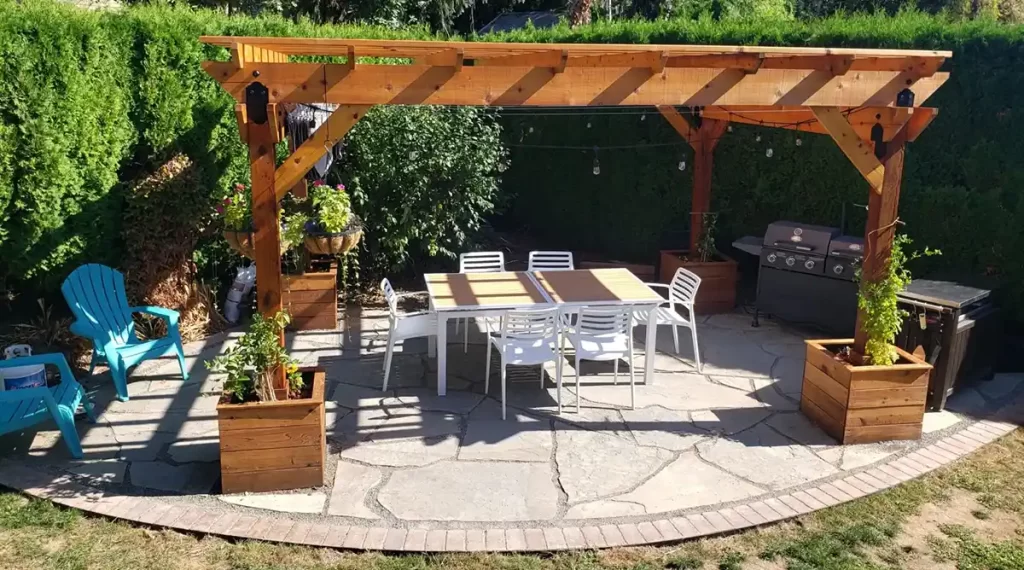
Building a Pegola in Portland, Oregon:
What Homeowners Should Know Before They Start
That simplicity is part of the appeal. A pergola feels light, open, and architectural. But building a pergola well takes more thought than most homeowners expect, especially in the Portland area, where rain, shade, and moisture can shorten the life of exterior wood if the details are not right.
The best pergolas look effortless when they are finished. They feel like they belong to the house, the yard, and the way the space is used. Getting to that point takes good design, sound construction, and materials that can withstand Pacific Northwest conditions.
A pergola should feel like it belongs to the property, not like it was dropped into the yard after everything else was finished.
Why pergolas work so well in Portland backyards
A lot of homeowners want more from their outdoor space, but they do not necessarily want a fully covered structure. They want definition. They want a little shade. They want the patio or deck to feel finished. That is where a pergola fits so well.
It creates a visual ceiling without making the yard feel enclosed. It can frame a dining space, soften the transition from house to landscape, or turn a plain patio into a space that feels considered. In Portland, where outdoor living is often shaped by both bright summer sun and long wet seasons, that balance matters.
A pergola also works across a wide range of home styles. In a newer home, it can add warmth and structure. On an older Portland house, it can feel timeless when the proportions and materials are handled well. The common thread is that it should feel intentional, not tacked on.
1 - THE BIGGER PICTURE
A Backyard Structure That Changes How the Space Feels
A pergola works because it creates definition without making the yard feel closed in. It can frame a dining area, soften the transition between house and landscape, or bring balance to a patio that otherwise feels too exposed. It is part structure and part atmosphere.
That simplicity is part of the appeal, but it can be misleading. A pergola still has to deal with footing work, span, drainage, seasonal movement in the wood, and long-term exposure to moisture. The finished structure should feel light. The build behind it should not be casual.
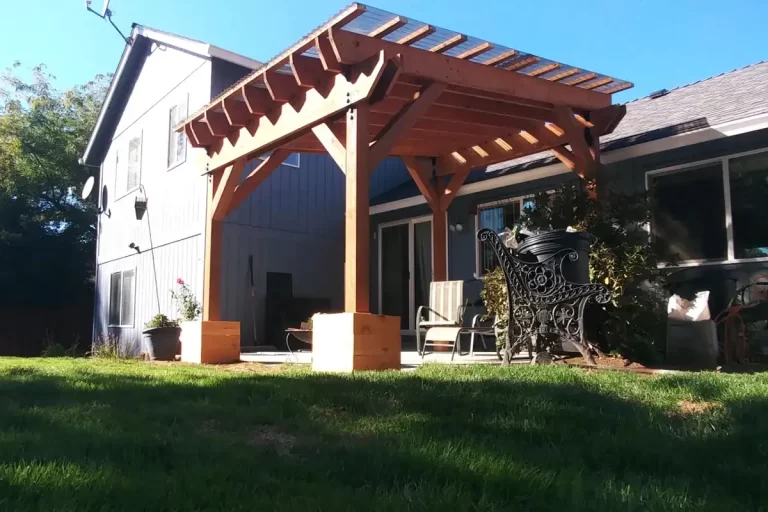
Custom cedar pergola over a backyard patio
2 - START WITH THE SITE
Where Pergola Projects Usually Go Right or Wrong
Sun and shade
A pergola can help with sun exposure, but only if the orientation supports that goal. If the overhead members run the wrong direction relative to the strongest afternoon light, the structure may look good without doing much to improve comfort.
Drainage and moisture
In Portland, the damp season is long enough that small drainage issues become real durability issues. If water already lingers near the patio or the yard stays soft in winter, that should be addressed before the pergola goes in.
How it relates to the house
Some pergolas are best placed right off the back of the home, where they extend the living space outside. Others feel better as freestanding features deeper in the yard. The right choice depends on how the property is used and what the structure is meant to do.
3 - MATERIALS
Choosing Materials That Age Well Outdoors
Cedar is a natural fit for many pergolas in the Portland area. It has the right look for Northwest homes and can perform well outside when it is properly selected and installed. But material choice is about more than species. Grade matters. Moisture content matters. Hardware matters.
In some builds, pressure-treated structural elements make sense in the parts of the structure most exposed to moisture. That does not mean the pergola has to look utilitarian. It simply means the hidden decisions are supporting a longer-lasting result.
The same goes for fasteners and brackets. Exterior hardware needs to be chosen for wet conditions. It is one of the easiest places to cut corners and one of the most expensive places to regret it later.
4 - DESIGN CHOICES
Freestanding vs. Attached Pergolas
A freestanding pergola gives you more freedom in placement and often creates a stronger outdoor-room feel. It can anchor a patio, mark a garden edge, or serve as a destination within the yard.
An attached pergola can feel more integrated with the house, especially when it extends living space directly off the back door. But the closer a pergola gets to siding, trim, or roofing, the more important flashing and water management become. Neither option is automatically better. It just has to fit the house and be detailed correctly.
5 - STRUCTURE AND PROPORTION
What Makes a Pergola Feel Solid
A lot of pergolas look good in pictures but feel less convincing in person. Usually that comes down to proportion. Posts are too light for the span. Beams are undersized. The layout is close, but not quite balanced.
Good pergolas feel calm. The lines make sense. The spacing feels deliberate. The posts look like they belong under the beams they are carrying. That visual confidence usually comes from sound structure, not decoration.
Footings, anchoring, drying potential, and overall scale all matter here. Even an open structure should feel firmly planted in the site.
155
4
#1
6-8
6 - WHAT TO EXPECT
What the Buidling Process Usually Looks Like
Most pergola projects begin with a walkthrough of the site and a conversation about how the space is meant to function. That part matters more than homeowners sometimes expect. A pergola is one of those projects where the finished feel depends heavily on early decisions.
Walkthrough
Review the yard, sun, drainage, access, and how the pergola should relate to the house and patio.
Planning & Design
Set the layout, spacing, proportions, material choices, footing locations, and any attached-condition details.
Construction
Start with footings and post layout, then move into beams, rafters, finish details, and site cleanup.
6- INVESTMENT
What Shapes the Cost of a Pergola
Size & Square Footage
Height & Site Conditions
Materials & Finishes
Design Complexity
Permitting & Code
Two pergolas can look somewhat similar in a photo and still be very different in how they are built. The difference in cost often comes from the details that improve longevity.
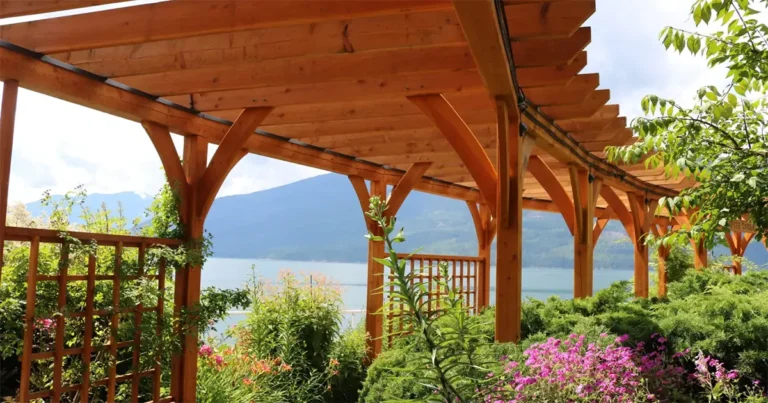
Custom pergola beam and rafter detail showing quality carpentry workmanship
8 - COMMON PITFALLS
Common Mistakes to Avoid
One of the biggest mistakes is treating the pergola like a cosmetic backyard upgrade rather than a structural project. Another is focusing too heavily on style without thinking enough about placement, scale, or moisture exposure.
And in Portland, water should never be treated as a side issue. The projects that age well are usually the ones where drainage, drying, and material performance were part of the conversation from the beginning.
A well-built pergola should still feel composed after Portland rain, bright summer afternoons, and normal seasonal movement in the wood.
9- FAQ
Frequently Asked Questions
What is the best wood for a pergola in Portland?
Cedar is a popular choice because it fits the Northwest look and performs well outdoors when the stock is good and the installation is handled properly.
Does a pergola provide full shade?
Usually no. A pergola provides filtered shade. The amount depends on orientation, spacing, and whether extra shade elements are built into the design.
Can a pergola be attached to the house?
Yes, but attached pergolas need careful attention to flashing, drainage, and connection details where they meet the home.
How well do pergolas hold up in Portland weather?
They can hold up very well if the materials, footings, post bases, and hardware are chosen with wet conditions in mind.
Do I need a professional to build a pergola?
Yes. For a custom pergola, it is usually worth it. Layout, proportions, structural sizing, and moisture details all affect how the structure performs over time.